
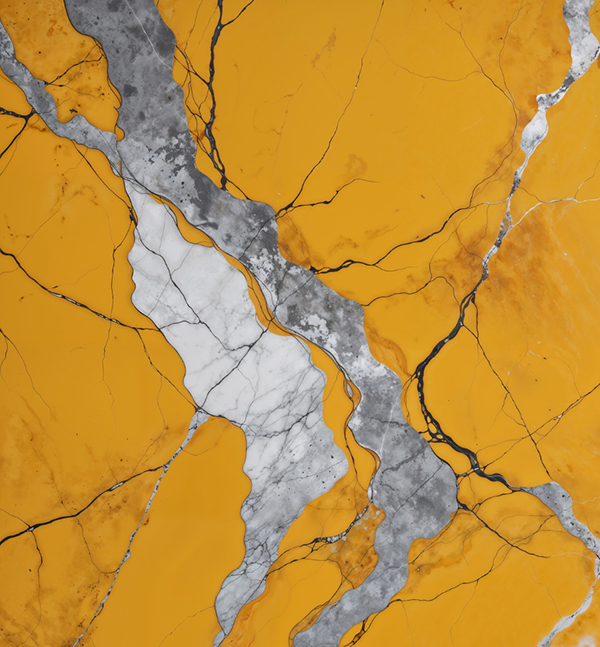
Porcelain is a dense, white ceramic material made by firing a mixture of clay (including kaolin), feldspar, and quartz at high temperatures (1,200–1,400 °C or 2,200–2,600 °F). This process creates a strong, nonporous, and often translucent material that is used for durable tableware, sanitary ware, tiles, and other applications.
Key Characteristics
-
Composition:Primarily made from kaolin clay, feldspar, and quartz, which create a dense, vitrified (glass-like) body.
-
High-Temperature Firing:Fired at extremely high temperatures, which results in its unique properties.
-
Strength and Durability:Porcelain is a very strong and durable material, resistant to water and wear.
-
Nonporous Surface:Its dense, vitrified structure means it does not absorb water, making it hygienic and resistant to stains.
-
Translucence:Some types of porcelain are translucent, meaning light can pass through them.
-
Color:Typically has a naturally white appearance, but can be colored.
Uses
- Tableware: Its strength, hygiene, and aesthetic appeal make it ideal for dishes, cups, and other tableware.
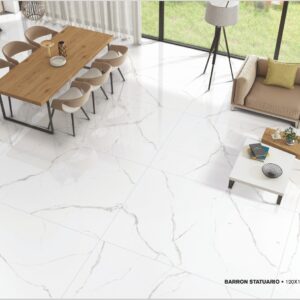
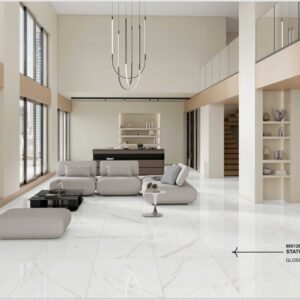
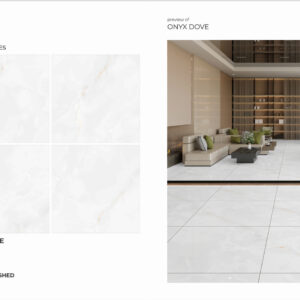
- Tiles: Used for durable and water-resistant floor and wall tiles.
- Sanitary ware: Found in bathroom fixtures.
- Other Applications: Also used for various other ceramic products and artistic pieces.
Reviews
There are no reviews yet.