


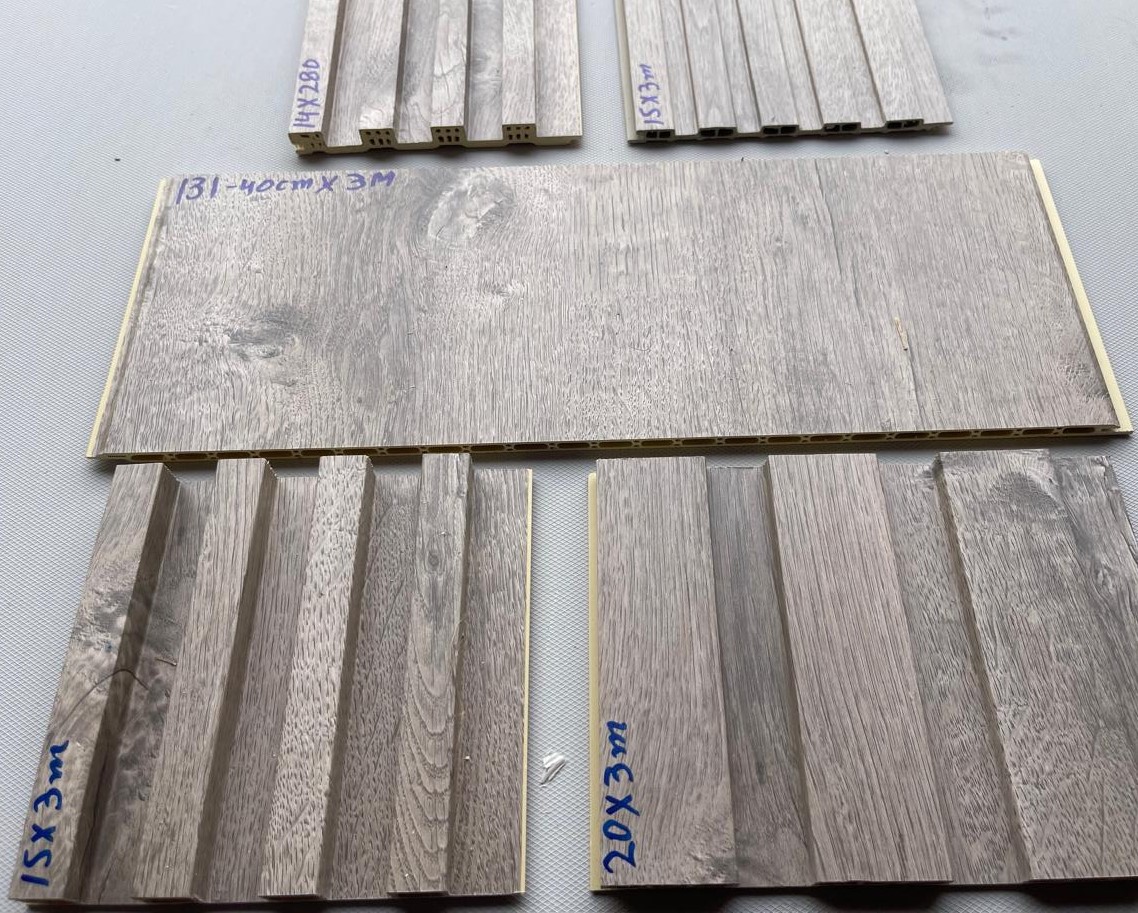


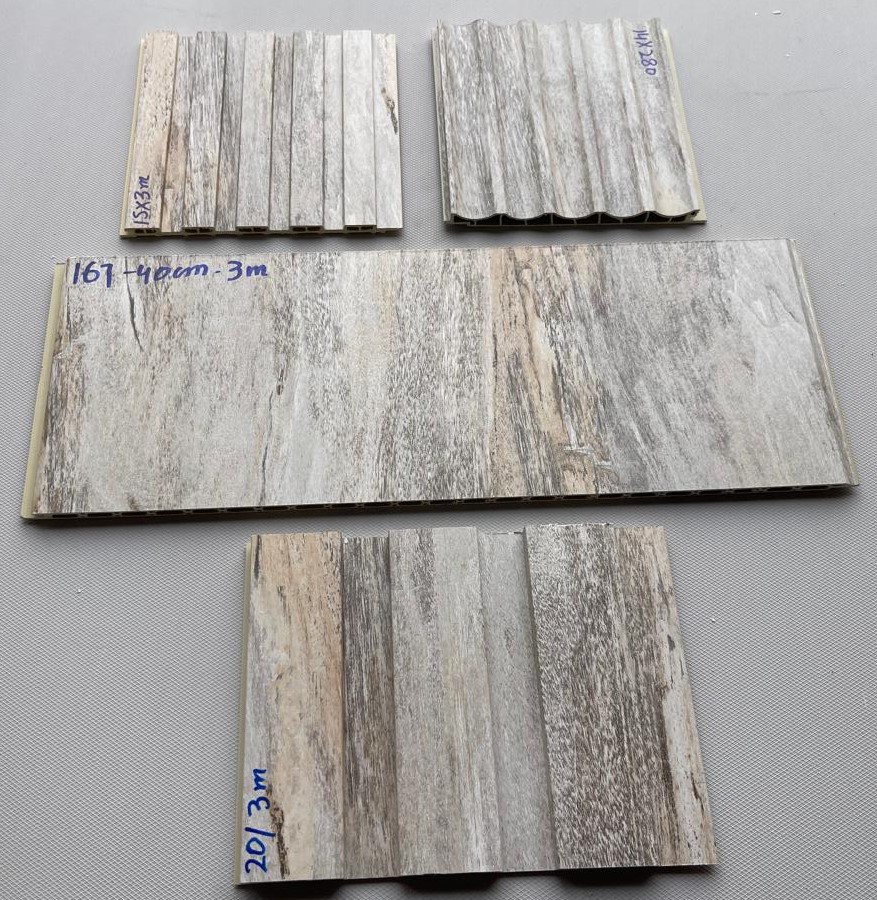


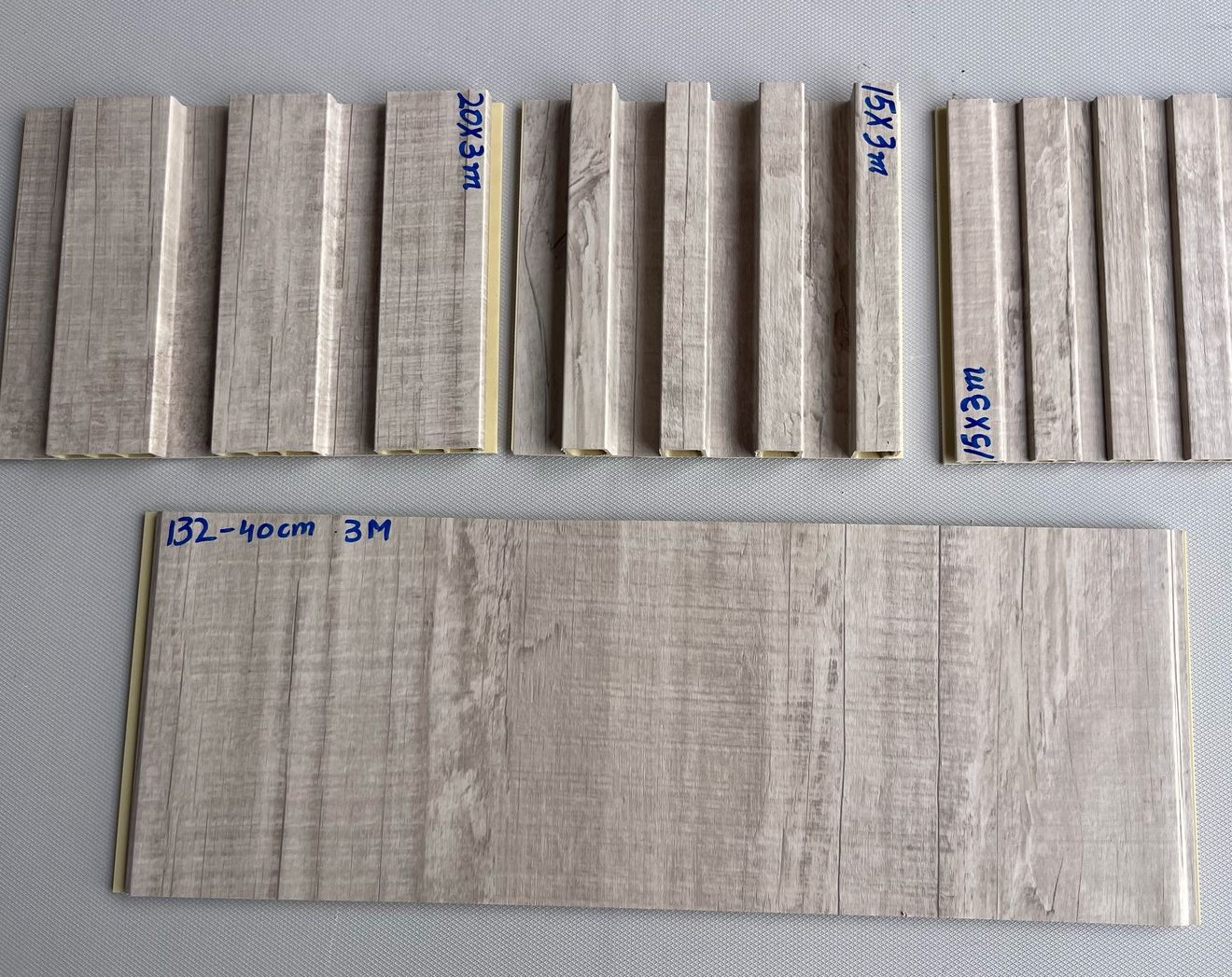

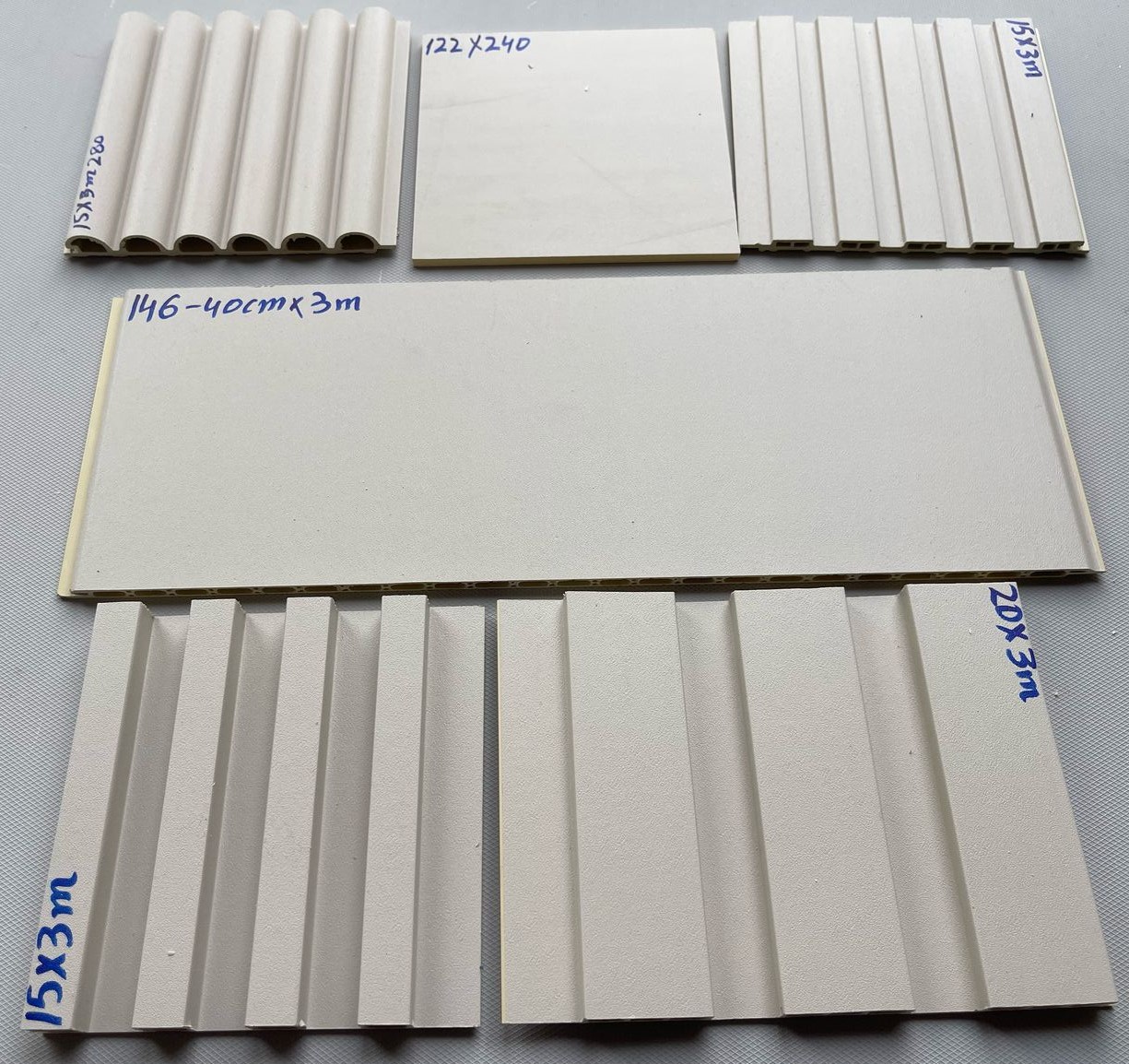
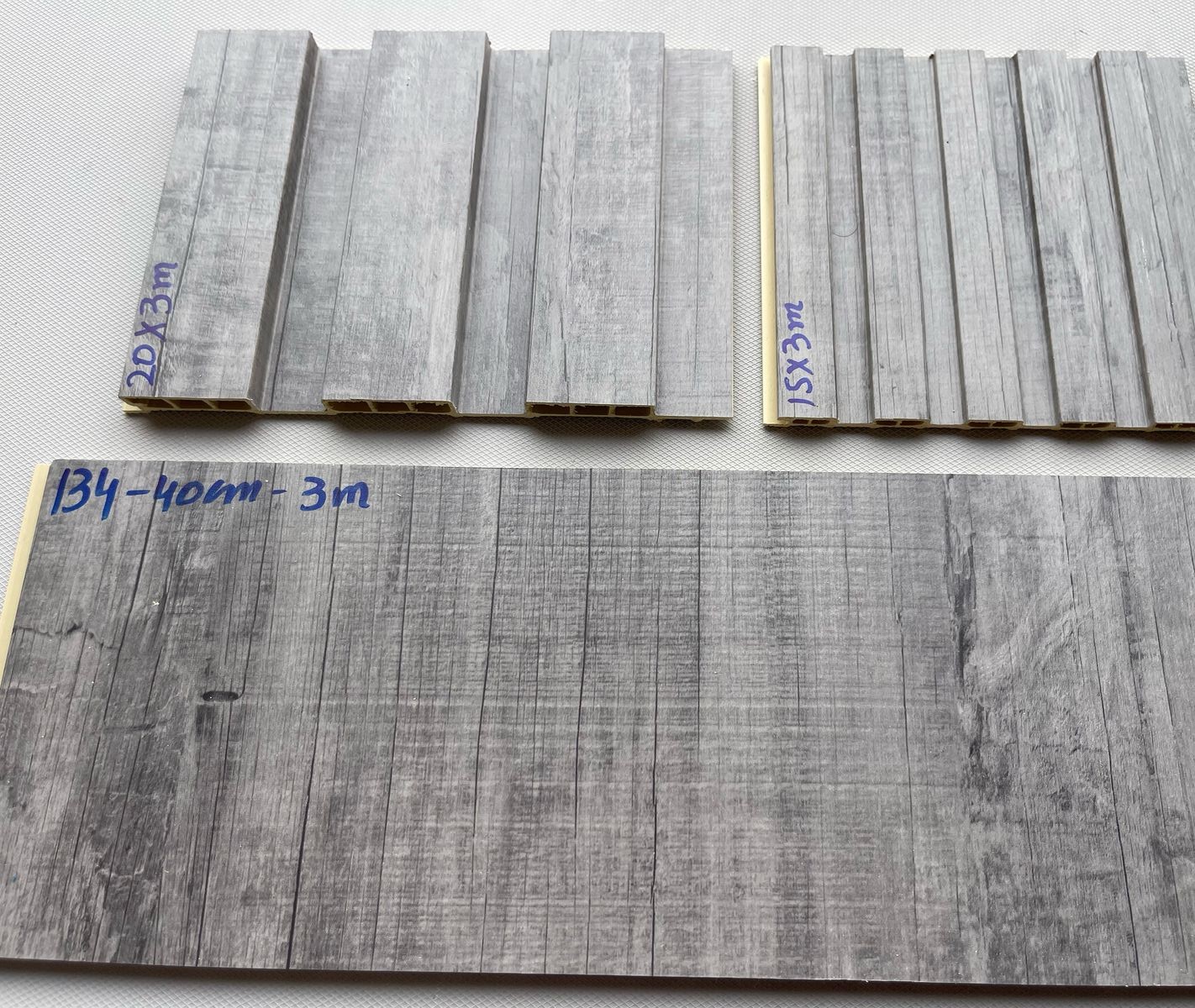


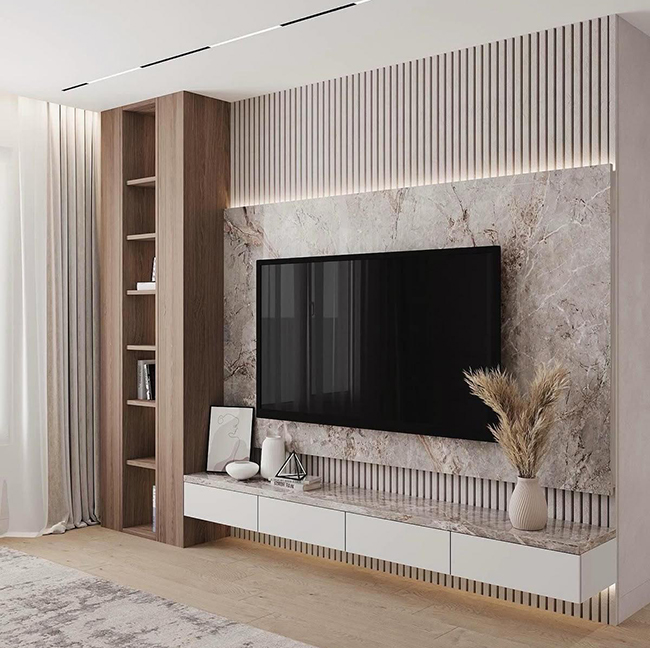
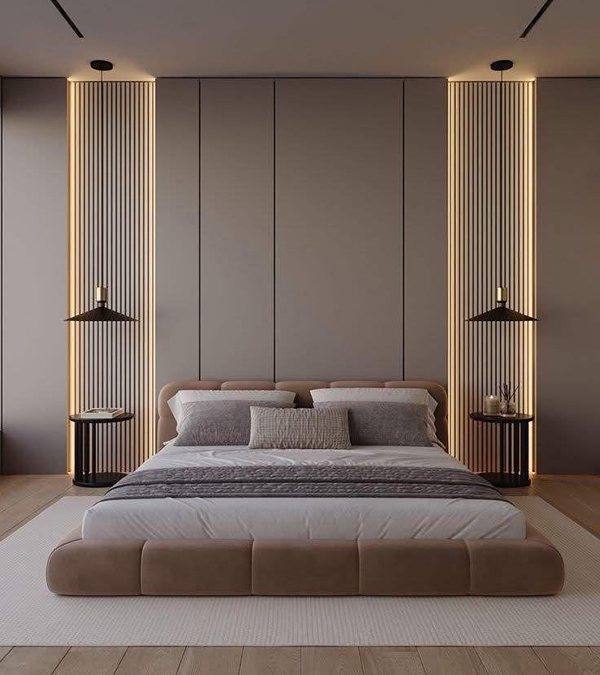

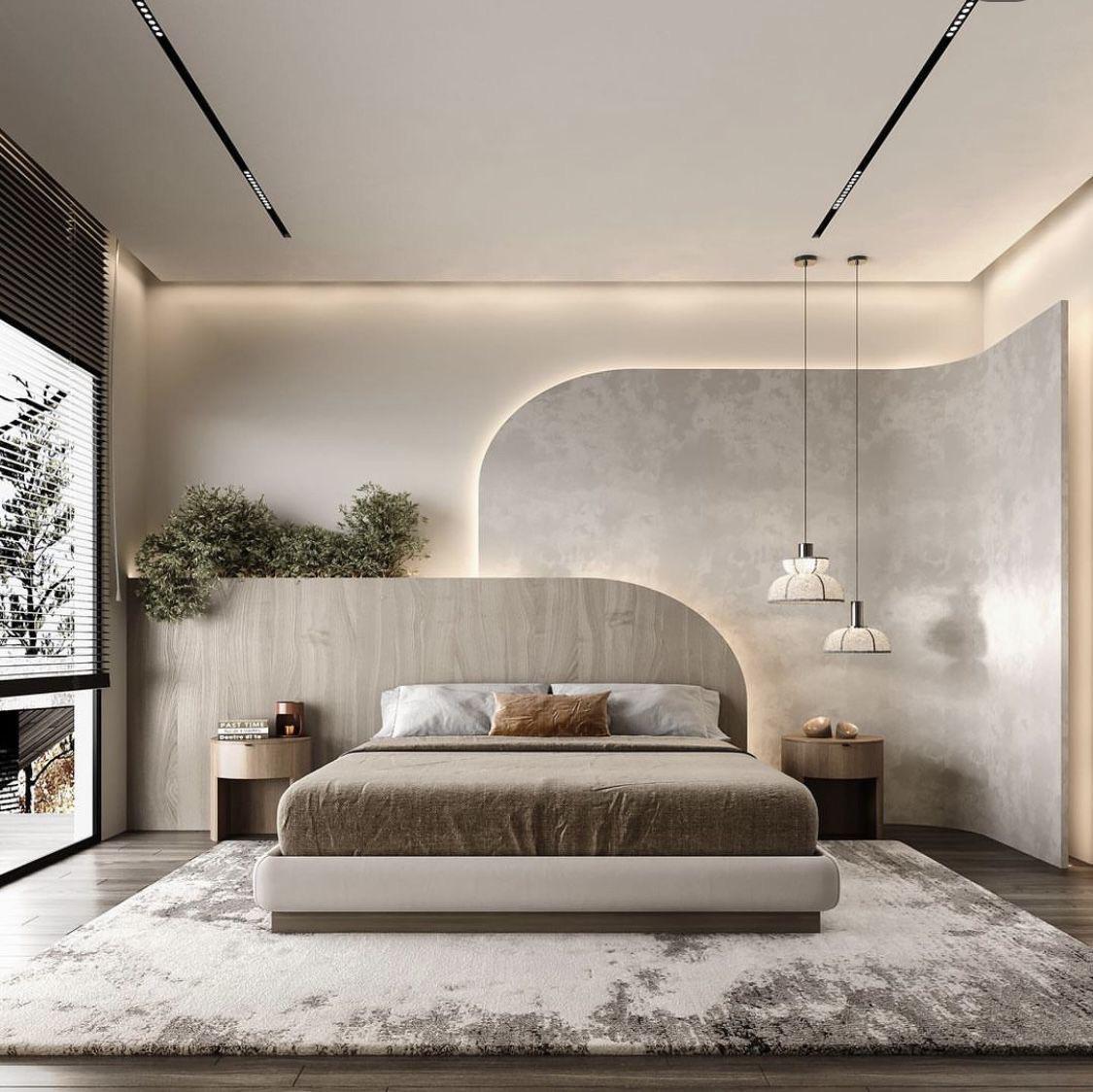
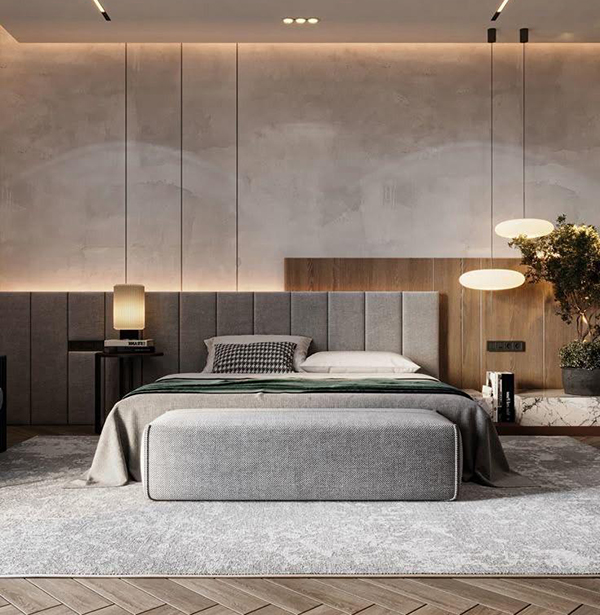
Wall cladding, or siding, is the outer layer of material attached to a building’s walls to protect the interior from the weather and to provide aesthetic appeal. It can be made from a variety of materials, including timber, masonry, fibre cement, metal, and newer composites, and is available for both exterior and interior applications to enhance both function and appearance.
Types and Materials
-
Designed to protect against weather, this can be made from materials like:
- Timber: Offers a classic and warm aesthetic.
- Fibre Cement: A durable and versatile material available in various styles.
- Masonry: Traditional materials like stone or brick.
- Metal: Such as aluminium, often found in insulated panels.
- Composites: Modern products combining materials, like poly-timber composites.
- Fibre-reinforced calcium silicate boards: A high-quality panel with a decorative layer, providing thermal insulation and protection.
- Timber: Offers a classic and warm aesthetic.
-
Used to add depth, warmth, and visual interest to interior spaces.
- Tongue and Groove: A popular choice for internal walls, providing a classic look.
- MDF panels: Faced with veneers or CPL, offering a luxurious and versatile solution.
- Decorative Panels: Available in various designs to create unique interior features.
- Tongue and Groove: A popular choice for internal walls, providing a classic look.
Benefits of Wall Cladding
- Protection: Acts as a barrier against moisture and the elements.
- Aesthetics: Enhances the visual appeal of a building, both inside and out.
- Durability: Modern cladding materials are designed to be long-lasting and resistant to peeling and cracking.
- Maintenance: Many types of wall cladding are easy to clean and maintain compared to other surface treatments.
- Insulation: Some cladding systems offer thermal insulation properties, improving energy efficiency.
Reviews
There are no reviews yet.